
A portable power station is worth considering for home backup when you need quiet electricity for essential devices during an outage. Unlike fuel-powered equipment, a battery power station produces no exhaust while operating, so compatible models can power indoor appliances without combustion fumes. It can keep phones, lights, routers, laptops, medical devices, and selected refrigerators running when grid power fails. The key is proper sizing. Battery capacity determines runtime, while continuous and surge output determine which appliances can operate. Matching these specifications to your household priorities creates a practical backup solution.
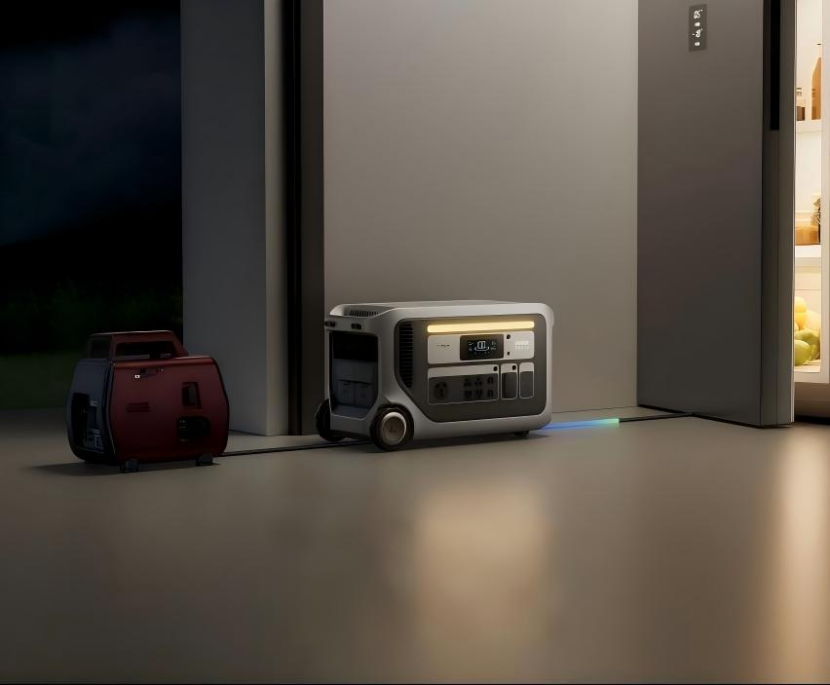
A portable power station provides battery-based electricity without running a combustion engine, making it useful for indoor backup. It operates quietly and produces no exhaust at the point of use. That lets you keep essential electronics powered without storing fuel or running extension cords from outdoor equipment. Place the station in a dry, ventilated location and follow the manufacturer’s operating guidance. During overnight outages, low noise is especially valuable for bedrooms and shared living spaces. Battery power also avoids the engine starting and fuel handling associated with combustion-based backup equipment.
Portable power stations can provide backup power with minimal setup. Charge the battery in advance, keep its ventilation openings clear, and connect devices to compatible outlets. Phones, routers, lamps, laptops, televisions, and refrigerators can connect when their electrical requirements fall within the station’s ratings. Before an outage, choose which appliances receive priority and check their running and startup power. If you are calculating how many amps does a fridge use, use the refrigerator’s rated voltage and current information to confirm compatibility. Clear output specifications make a power station easier to size and use in emergencies.
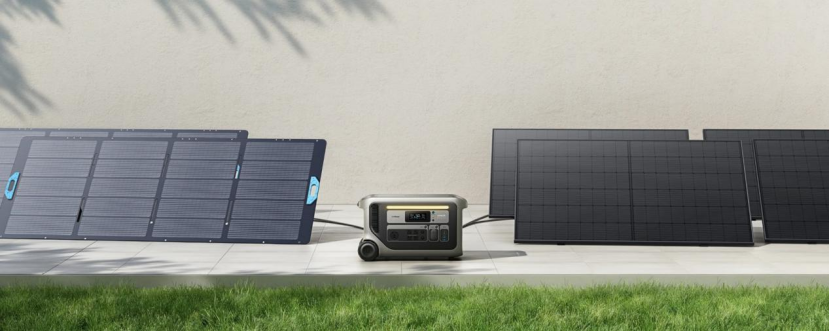
Flexible charging makes a portable power station useful during outages and everyday activities. Many units can recharge from AC power, while compatible models may support solar or vehicle charging. The Anker SOLIX F3000 Portable Power Station features Dual Solar Charging with up to 2,400W of solar input across 60V and 165V inputs. Under optimal sunlight, it can fully charge in under two hours. This capability offers a way to replenish energy when grid access is limited. Vehicle charging adds flexibility while traveling, while AC charging helps keep the station prepared before severe weather or outages.
Start by deciding which household devices must remain available when utility power fails. Prioritize communication, lighting, internet access, refrigeration, medical equipment, and essential devices. Record the running wattage of each item and note which may operate at the same time. Appliances with compressors or motors can also have higher startup requirements. Separate essential loads from conveniences such as entertainment equipment or cooking appliances. This list prevents you from buying capacity for devices you do not need during an outage. It also creates a load plan for comparing battery capacity, continuous output, and surge ratings.
Battery capacity and inverter output answer different backup questions. Capacity, measured in watt-hours, indicates how much energy the station stores, while output, measured in watts, determines how much power it can deliver at once. Estimate energy needs by multiplying each device’s wattage by its expected operating time, then total the watt-hours. For appliances that cycle, use published energy consumption when available. Next, add the running watts of devices that may operate simultaneously and keep that total below the station’s continuous output. Check surge output for refrigerators, pumps, and other motor-driven equipment. Allow extra capacity for conversion losses and reserve power.
Outage patterns should influence how much backup capacity you buy. For brief local outages, energy for lights, communication, internet, and refrigeration may cover your priorities. Longer outages make recharge options and expandable capacity more valuable. Estimate the runtime you need before choosing battery size, then identify how you will replenish the station if grid power remains unavailable. Compatible solar charging can add energy during daylight, while vehicle charging may provide another option. Keep the station charged before severe weather and check battery level. A planned recharge strategy makes stored capacity more useful during extended interruptions.
A portable power station is worth it for home backup when your goal is to keep essential devices running quietly and conveniently through outages. Its advantages are indoor-friendly battery operation, fast setup, and flexible recharging. To choose one effectively, list the appliances you need, calculate their energy consumption, and confirm that continuous and surge output can handle the load. Then match battery capacity to your expected outage duration and available charging sources. A properly sized station can support refrigeration, communication, lighting, internet access, and other priorities while giving your household a practical source of emergency power.