
A portable power station can be used as a UPS in many situations, but only if its switching speed, output capacity, and device compatibility match the equipment you want to protect. For home users, that often means keeping essentials such as a router, modem, lights, small appliances, or a refrigerator running through brief outages. The key difference is that a traditional UPS is designed primarily for seamless short-term backup, while a portable power station is built for larger energy storage and longer runtime. That makes it useful for backup power, but not automatically suitable for every sensitive device. To choose correctly, you need to understand how backup switching works, which loads are safe to connect, and where a portable power station fits better than a conventional UPS.
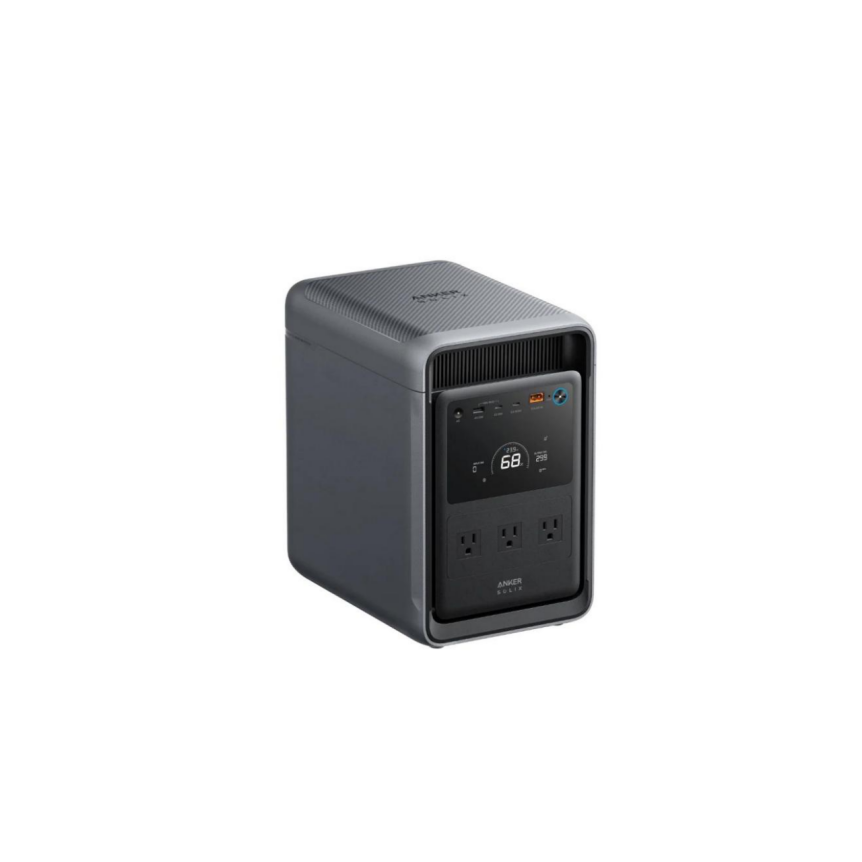
A UPS, or uninterruptible power supply, is a backup system that keeps connected devices powered when utility electricity fails. In normal operation, it passes grid power to the load while charging its internal battery. When an outage, voltage drop, or power disturbance occurs, the UPS switches the connected devices to battery-supported inverter power. This process is designed to prevent shutdowns, protect unsaved work, and maintain operation for critical electronics. Traditional UPS units are commonly used for desktop computers, networking gear, security systems, and other equipment that needs short-term continuity. Their main value is not long runtime, but fast transfer to backup power and stable output during brief interruptions or power-quality problems.
A portable power station used as a UPS works in a similar pass-through mode. While wall power is available, the station powers connected devices and keeps its battery charged. If the grid fails, its internal electronics detect the outage and shift the AC outlets from mains input to inverter output. That transfer is not always instantaneous, so the switching time matters. If the delay is short enough, many household and office devices continue running without interruption. For example, the Anker SOLIX S2000 Portable Power Station supports UPS switching in 10ms, which is fast enough for many routers, modems, lights, and selected appliances. However, highly sensitive equipment may require testing before depending on this setup.
A traditional UPS is purpose-built for uninterrupted backup, while a portable power station often functions more like an EPS, or emergency power supply, with short transfer delay. That distinction matters because some electronics tolerate a brief gap, while others may reboot or shut off. Switching time is the deciding factor. A 10ms transfer can work well for many consumer devices, but mission-critical systems, certain desktop PCs, and sensitive medical or server equipment may require even tighter continuity. Portable power stations usually offer much longer runtime than compact UPS units, which is a major advantage during extended outages. Even so, they should be judged first on transfer performance, then on battery size and output capacity.
A portable power station can protect devices that need continued power and can tolerate its transfer time and output profile. Good candidates include routers, modems, Wi-Fi systems, LED lighting, televisions, fans, CPAP machines if compatible, and many household essentials. Larger units can also support refrigerators or other appliances within their rated load. The Anker SOLIX S2000 is aimed at emergency home backup, with 2,010Wh capacity, 1,500W rated output, and 3,000W peak output, making it suitable for extended runtime on critical devices such as refrigerators, lighting, and networking equipment. It does not support a 12V DC output port or expandable batteries, so setup planning should focus on its available AC outputs and fixed battery capacity.
Start with switching time, because backup power is only useful if your devices stay on through the transfer. For UPS-style use, shorter is better. Next, check battery capacity in watt-hours to estimate runtime during an outage. Higher capacity supports longer operation, especially for refrigerators, networking gear, and lighting. Then confirm the rated output and surge capability so startup loads do not overload the inverter. Battery chemistry also matters: LiFePO4 offers strong safety, long life, and better durability for frequent cycling. Weight, size, warranty, and charging speed affect day-to-day usability too. A five-year warranty and long cycle life are especially helpful if you expect regular backup duty rather than occasional emergency-only use.
Place the power station indoors on a stable, ventilated surface and plug it into a wall outlet for pass-through charging. Connect only the devices you want protected, making sure their combined running load stays below the unit’s rated output and their startup surge stays within peak limits. Keep the setup simple by prioritizing essential loads first. After connection, perform a real outage test: with devices running, cut wall power and watch for restarts, screen flicker, or dropped connections. Repeat the test several times, especially for networking gear, computers, and appliances with compressors. Also verify expected runtime under actual load. Regular testing is important because compatibility depends on both transfer speed and how each connected device handles brief interruptions.
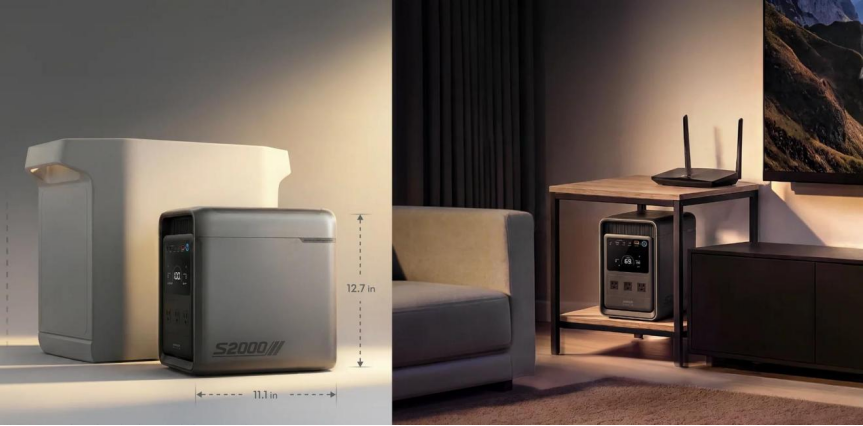
Yes, a portable power station can be used as a UPS for many home and small office backup needs, and it can be an excellent choice when longer runtime matters more than absolute zero-gap transfer. The right fit depends on three factors: switching time, device sensitivity, and available output power. A model with 10ms UPS switching, solid inverter capacity, and durable LiFePO4 batteries can keep many essentials running during outages, including routers, lights, and selected appliances. Still, users should not assume every device will behave the same way during transfer. The smartest approach is to match the station to your real loads, test it under outage conditions, and use it where its strengths, longer backup duration and flexible emergency power, provide the greatest practical benefit.