
Yes, a power station can reliably keep food cold during an outage by supplying electricity to a refrigerator or freezer after grid power fails. The station must provide enough continuous output for normal operation, sufficient surge power for compressor startup, and enough battery capacity for the runtime. Without backup power, an unopened refrigerator typically keeps food cold for about four hours. A power station can extend that protection by keeping the appliance operating. Runtime depends on refrigerator energy use, battery capacity, environmental conditions, and how efficiently energy reaches the appliance.

A power station keeps a refrigerator running by sending stored battery energy through an inverter that supplies AC electricity to the appliance. Before connecting the refrigerator, confirm that its running wattage stays below the station’s continuous output and that compressor startup demand fits within the surge rating. Once connected, the refrigerator cycles normally as its thermostat calls for cooling. Because the compressor switches on and off, energy consumption changes throughout the day. A well-matched power station maintains cooling without requiring grid electricity, making it practical for short outages and emergencies.
Estimate runtime by comparing usable battery capacity with the refrigerator’s energy consumption. A refrigerator using 1,000Wh daily requires about 1,000 usable watt-hours for 24 hours. The Anker SOLIX F3000 Portable Power Station supports extended refrigerator backup with ultra-low idle power consumption. It can power a refrigerator for almost two days during blackouts, helping keep food fresh and safe. When not in use, it can remain on standby for up to five days. Actual runtime also reflects refrigerator efficiency and operating conditions, so check compressor startup demand and usable capacity when planning backup power.
Fridge size affects energy use, but efficiency, insulation, age, and operating conditions matter as much. A large efficient refrigerator can consume less electricity than an older, smaller model. Warm room temperatures make the compressor run more often, increasing battery use. Frequent door openings also release cold air and shorten power-station runtime. Keep the refrigerator away from unnecessary heat where practical and avoid repeatedly checking food during an outage. Starting with a properly chilled refrigerator and limiting door openings reduces cooling demand, helping a compatible power station preserve stored energy and keep food cold for longer.
Refrigerators and freezers behave differently during extended outages. If left unopened without power, a refrigerator generally keeps food cold for about four hours, while a full freezer can maintain temperature for approximately 48 hours; a half-full freezer lasts about 24 hours. A compatible power station can extend these periods by continuing to operate the appliance. Freezers may also benefit from grouped frozen food, which helps retain cold. For either appliance, monitor temperature rather than relying on appearance or smell when deciding whether perishable food remains safe after a prolonged interruption.
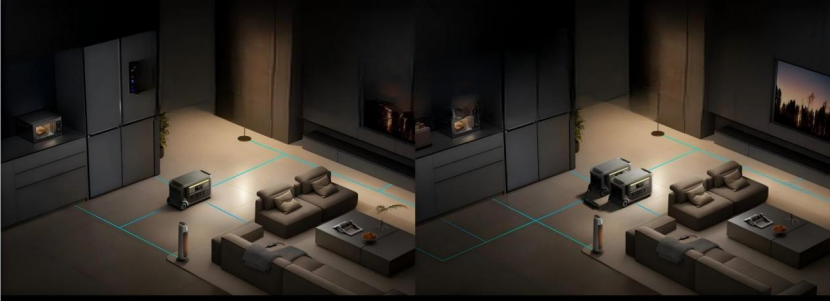
Give the refrigerator priority when battery capacity is limited. Disconnect televisions, entertainment equipment, unnecessary chargers, and other nonessential loads so more stored energy remains available for cooling. Before the outage, calculate the refrigerator’s daily watt-hour requirement and reserve enough capacity for its compressor cycles. Essential communication or medical devices can share the station when total demand remains within its output rating. Avoid high-wattage heating or cooking appliances unless the power station has ample capacity. A priority plan prevents optional devices from consuming energy that could otherwise keep perishable food refrigerated through a longer power interruption.
Keep refrigerator and freezer doors closed as much as possible during an outage. FDA guidance states that an unopened refrigerator keeps food cold for about four hours without power, while refrigerators should remain at 40°F or below for food storage. For anyone asking how long will fridge stay cold without power, that four-hour guideline is a useful baseline, while a compatible power station can extend cooling by keeping the refrigerator operating. Use an appliance thermometer to monitor conditions. Do not rely on smell or appearance alone when deciding whether temperature-sensitive food remains safe to eat.
Recharging the power station can extend refrigerator backup beyond the energy stored at the start of an outage. If the model supports solar charging, compatible panels can replenish the battery during daylight conditions. Vehicle charging may provide an option, while AC charging can restore capacity whenever grid or shore power becomes available. Follow the manufacturer’s input limits and charging methods. Monitor battery percentage and incoming power so you can plan refrigerator operation around available energy. Recharging early, before the battery reaches a low level, provides flexibility during an extended outage.
A power station can keep food cold during an outage when its output and battery capacity match the refrigerator or freezer. Check running wattage, compressor surge demand, and daily energy consumption before relying on it for backup. Preserve runtime by prioritizing refrigeration, limiting door openings, and disconnecting unnecessary loads. Without power, an unopened refrigerator typically stays cold for about four hours, so backup matters. For longer interruptions, recharge the station through a compatible source and monitor appliance temperature with a thermometer. Sizing and energy management create a dependable plan for protecting refrigerated and frozen food.