
A portable power station for power tools should provide enough continuous output for normal operation, enough surge capacity for motor startup, and sufficient battery energy for the work session. Light cordless-tool charging may only require a compact unit, while saws, grinders, compressors, and other demanding equipment need stronger inverter output and more capacity. Start with each tool’s electrical rating, then consider which tools may run together and for how long. Matching these figures to the station helps prevent overloads, reduces interruptions, and avoids buying more battery capacity than your projects require.
Start with the running wattage listed on each corded tool’s label or manual. Drills, sanders, grinders, circular saws, shop vacuums, and compressors can have very different demands. When specifications provide voltage, current, or input power, use the manufacturer’s stated wattage whenever available, especially for motor-driven equipment. Check battery-charger input ratings separately for cordless tools because charger demand differs from the battery’s stored energy. Use the highest normal operating demand you expect, then choose a portable power station whose continuous AC output comfortably supports that load without operating at its maximum rating during routine work.
Motor-driven tools can draw a short burst of extra power when they start or encounter a demanding load. Circular saws, air compressors, shop vacuums, and similar equipment may therefore need more than their normal running wattage momentarily. Compare the tool’s documented starting requirement with the power station’s surge rating, not just its continuous output. If the manufacturer does not publish startup watts, avoid guessing from a generic multiplier and use measured or manufacturer-provided data when possible. Adequate surge headroom helps the tool start reliably and prevents overload protection from shutting down power during normal workshop or jobsite use.
When several tools or chargers operate together, add their simultaneous running wattage before choosing a station. Include supporting equipment such as work lights, dust extractors, fans, and battery chargers. Then check whether a motor-driven tool could start while other loads are already running. The same electrical planning helps when the station serves household backup and you need to know how many amps does a fridge use alongside workshop loads. A power station with clearly stated limits simplifies load planning. Staggering high-demand tools can reduce the required inverter size and preserve power for essential equipment.
Small-capacity power stations work best for charging cordless-tool batteries, running task lights, and supporting light-duty equipment with modest demand. Capacity around a few hundred watt-hours can provide useful energy for short projects, but inverter output matters more than battery size when powering corded tools directly. Check the charger’s input wattage and estimate how many battery recharges you need before selecting capacity. For occasional repairs or mobile work, a compact station is easier to carry between locations. Choose this class when your main goal is cordless battery charging and low-power support rather than operating high-wattage saws, compressors, or similarly demanding tools.
Mid-size portable power stations suit regular DIY projects and workshops that need more runtime and stronger AC output than compact units provide. They can support selected corded drills, sanders, saws, shop vacuums, and cordless-tool chargers when combined demand stays within rated limits. Capacity around 1,000Wh can provide a useful starting point for longer sessions, but your calculated watt-hours should determine the final requirement. Check continuous and surge output carefully because capacity alone does not determine tool compatibility. This size class provides a practical balance for users who need useful workshop power without moving a very large battery system between work areas.
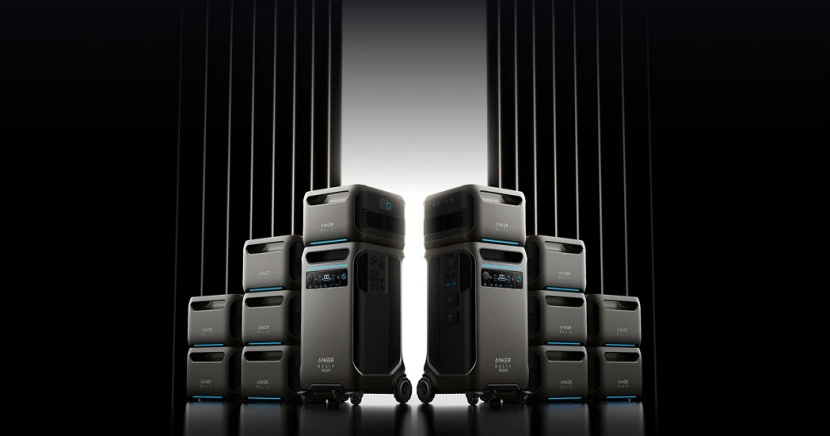
High-capacity portable power stations suit demanding tools, longer work periods, and jobsites where grid outlets are unavailable. Larger batteries provide more energy for saws, grinders, compressors, dust collection equipment, chargers, and supporting devices, while high-output inverters accommodate heavier loads. Choose capacity from expected watt-hours rather than size alone, and verify surge capability for motor-driven equipment. For extended use, expansion-battery support can increase available energy without replacing the main station. Weight matters in this class, so handles, wheels, and practical transport dimensions can significantly improve movement around a workshop or jobsite.
Continuous output determines whether a power station can sustain normal tool demand, while surge output determines whether it can handle brief startup peaks. Check both figures against manufacturer specifications for every tool you intend to connect. If several devices run simultaneously, add their operating watts and account for a motor starting while other equipment remains active. Leave practical headroom rather than operating continuously at the station’s maximum rating. Also check individual outlet limits, since total inverter capacity does not necessarily mean every port can deliver the full amount. Proper output matching supports reliable tool operation and reduces avoidable overload shutdowns.
Battery capacity, measured in watt-hours, determines how long a station can support tools before recharging. The Anker SOLIX F3800 Portable Power Station provides a 3,840Wh base capacity, offering more energy reserve when several critical loads need backup simultaneously. For longer sessions or outages, a single F3800 can expand up to 26.9kWh with compatible expansion batteries, supporting up to six batteries. Estimate tool energy use by multiplying average power draw by operating time, then include chargers, lights, accessories, conversion losses, and reserve capacity. This helps ensure sufficient stored energy for workshop or jobsite use.
A powerful station still needs to fit the way you work. Check weight, handles, wheels, and dimensions if you move power between a garage, vehicle, and jobsite. Faster AC charging reduces downtime between work sessions, while compatible solar or vehicle charging can help where grid access is limited. Count the AC outlets needed for tools and chargers, then check USB and DC ports for supporting devices. A station with suitable connections, manageable transport features, and practical recharge options is easier to integrate into workshop and mobile work without creating unnecessary setup delays.
For most power-tool users, the best portable power station is the smallest model that safely meets continuous output, startup surge, and runtime requirements with reasonable headroom. Cordless battery charging and light tasks can use compact capacity, while regular DIY work benefits from mid-size energy storage and stronger AC output. Heavy tools and longer jobs require higher-capacity systems with robust surge performance. Calculate simultaneous watts and expected watt-hours before choosing. Then compare portability, charging speed, and outlet availability. Correct sizing provides reliable power without unnecessary battery weight, excess capacity, or frequent project interruptions.