
Multi-subject tracking on phone gimbals has become a game-changer for content creators, filmmakers, and vloggers. These devices allow users to effortlessly capture dynamic and visually appealing shots, even in complex, crowded environments. The demand for precise tracking has soared, and manufacturers are responding with cutting-edge technology. For example, the Insta360 Flow2 Pro offers incredible features such as 360 Infinite Pan Tracking and Group Tracking, where everyone shines. As AI-driven capabilities advance, the accuracy of multi-subject tracking is under constant improvement. This blog explores how these advancements work in practice to deliver smooth, focused content creation experiences that easily keep pace with dynamic subjects.
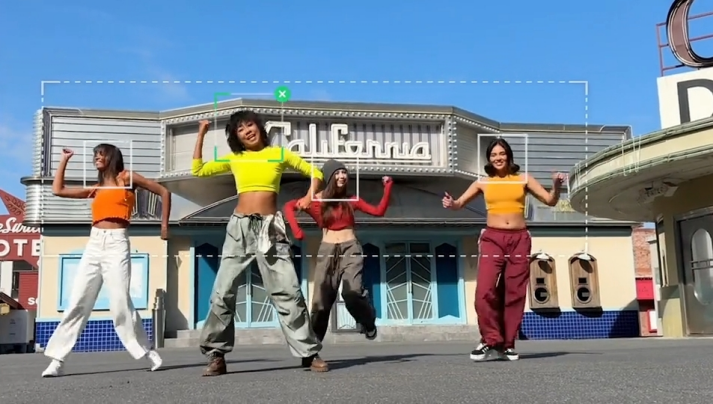
At the heart of multi-subject tracking is a sophisticated system combining AI detection, face recognition, and subject identification. The technology in gimbals like the Insta360 Flow2 Pro ensures subjects are continuously kept in focus, which is critical for achieving professional-grade footage.
Artificial Intelligence elevates gimbal tracking by analyzing image inputs to detect and recognize faces and other key subject features. With technologies like Apple DockKit, devices can utilize advanced native tracking in over 200 iOS apps. This integration allows the AI to train on extensive datasets to distinguish multiple subjects in a frame. Once subjects are identified, the system recognizes individual features and labels them to ensure that each subject remains easier to follow. The continuous identification process creates seamless coordination between the AI and the gimbal’s mechanical functions, ensuring fluidity even when subjects move rapidly or unpredictably.
Real-time framing is crucial for smooth tracking. As gimbals detect subjects through AI, they dynamically adjust to keep each subject within the frame. This is bolstered by features like Active Zoom Tracking which maintains focus despite rapid depth changes. Re-identification becomes essential when subjects exit and re-enter the scene. Advanced algorithms enable gimbals to recognize and track familiar subjects consistently, maintaining a seamless transition. Furthermore, precise motion response from the gimbal motors ensures that the device moves naturally with the subject’s motion, preventing lag and keeping the video crisp.
Achieving peak tracking performance requires understanding the elements that enhance accuracy. From sophisticated software algorithms to strategic user actions, each part plays a critical role.
AI algorithms drive multi-subject tracking precision by processing complex inputs quickly. Smart recognition systems categorize and prioritize which subjects to track, using context-aware logic. Innovations like 360 Infinite Pan Tracking afford gimbals the ability to cover expansive angles with ease. The enhanced tracking algorithms utilize machine learning, allowing adaptability to various shooting conditions. This sophistication allows the AI to predict subject movements, enhancing stability and reducing error margins during shot execution.
The integration of high-quality sensors and cameras is crucial. These components capture data with clarity and relay it to the AI system for processing. Precise motor functions enable smooth transitions and positional adjustments in real-time, supporting the fast-paced demands of multi-subject environments. Hardware advancements ensure that gimbals remain robust in challenging conditions, providing not just stability but also the agility to adapt to sudden shifts in the scenario. Consequently, hardware influences user experience by maintaining tracking fidelity through strong mechanical support.
User engagement is vital for optimizing gimbal tracking performance. By strategically positioning subjects and setting correct distances, users can ensure more reliable subject tracking. Proper framing strategies that consider the scene’s layout optimize tracking depth of field, allowing gimbals to effectively prioritize subjects. If you're exploring what is the best phone gimbal for andorid, understanding how setup and framing influence tracking accuracy can help you choose a device that performs well in real-world scenarios. Adjustments in camera angle also impact how well sensors and algorithms can function, defining the task of guiding user input. By understanding these factors, users enhance the hardware and software capabilities, ensuring consistent, professional-quality tracking outcomes.
Multi-subject tracking thrives in environments requiring precision and focus. Certain scenarios emphasize just how vital this technology becomes.
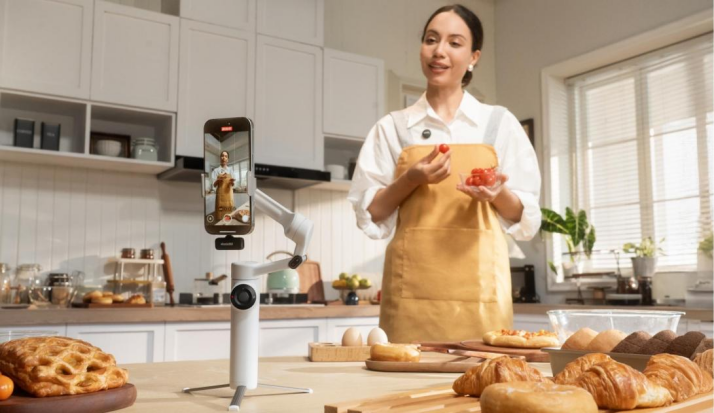
Content creators depend on gimbals for smooth visual storytelling, whether through a spontaneous vlog or a carefully planned live stream. Multi-subject tracking ensures creators can move freely, focusing on content delivery rather than camera positioning. It invites a more personal, authentic audience connection as the AI seamlessly maintains focus. For instance, when highlighting different subjects during a live cooking show, the system captures every moment, ensuring neither the chef nor the dish is out of frame. Thus, managing dynamic settings is met with simplicity, freeing creators to focus on creativity.
In events with multiple focal points, such as theater performances or interviews, gimbals handle the visual complexity with ease. By keeping multiple subjects in focus, they enhance narrative flow and viewer engagement. For an interview with multiple individuals, effective tracking ensures each speaker receives appropriate screen time. Similarly, during group performances, gimbals shift dynamically to feature frontline performers without losing rapport with the audience. This stable transition across subjects is crucial, capturing the energy of the event while maintaining visual continuity.
Multi-subject tracking on phone gimbals represents a remarkable leap forward in content creation capability. With developments in AI and smart hardware integration, devices like the Insta360 Flow2 Pro make automated, real-time tracking of several subjects not only possible but precise and reliable. As these technologies become ubiquitous, content creators can effortlessly focus on storytelling while relying on the gimbal to manage technical complexities. The seamless blend of intelligent algorithms and adept hardware design enables capturing vibrant scenes with consistency, ushering in a new era of creative possibilities.