
Choosing the right camera for your needs can be challenging, especially with the rise of advanced action cameras. These compact devices offer impressive features but differ from DSLRs in many ways. The Insta360 Ace Pro 2, for example, is equipped with a 1/1.3” 8K sensor to deliver exceptional imaging quality. It also supports 4K60fps Active HDR and 8K30fps video, a testimony to the advancements in action cameras. With the convenience of a magnetic mounting system and a 157° wide-angle lens, could such devices be viable alternatives to traditional DSLRs? Let’s explore the core differences, evaluate their strengths, and see when each type of camera might best suit your photography or videography needs.
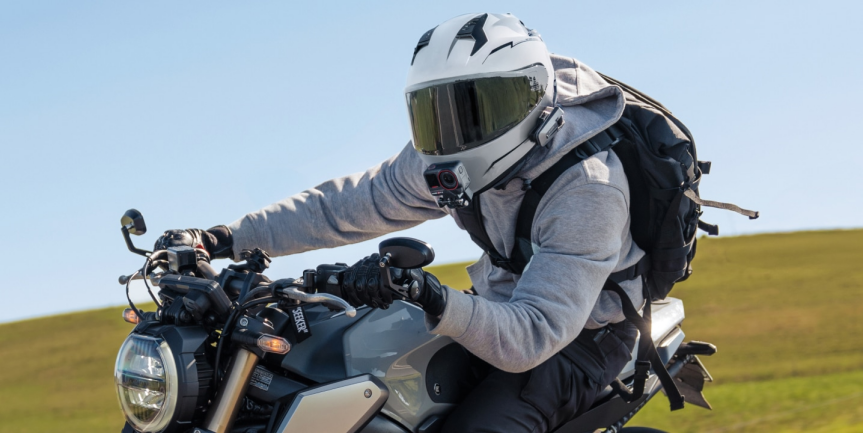
Understanding the differences between action cameras and DSLRs is essential for making a well-informed decision.
Action cameras are incredibly small and lightweight, making them the ideal choice for users prioritizing portability. They can fit in the palm of your hand, easily packed into a pocket or small bag without weighing you down. The Insta360 Ace Pro 2 exemplifies this with its sleek design. Equipped with a straightforward user interface, action cameras are perfect for those who want to capture moments quickly and efficiently. On the other hand, DSLRs are bulkier and require more accessories, like additional lenses and tripods. While these elements add to the size and weight, they simultaneously enhance shooting capabilities. Depending on your lifestyle and needs, the portability of an action camera might outweigh the convenience offered by DSLRs.
When it comes to image quality, DSLRs typically lead due to their larger sensors and lens interchangeability. These features allow photographers to capture images with excellent detail, even in challenging lighting conditions. Enhanced control over settings like aperture and shutter speed also contributes to superior image quality. However, the Insta360 Ace Pro 2 challenges this norm with its impressive 1/1.3” 8K sensor, which delivers high-resolution images and videos. Yet, DSLRs still hold an advantage with their adaptability to various lenses tailored for specific photography styles. Action cameras, with their fixed lenses, offer wider angles ideal for capturing sweeping vistas or action-packed scenes, but may lag behind in providing fine control over image settings.
There are scenarios where an action camera can effectively take the place of a DSLR, especially for those who need flexibility and adaptability over absolute image quality. Understanding these situations can help you decide when an action camera might be the better choice.
For travelers and adventure enthusiasts who require an easy-to-use and transportable device, action cameras are perfect. The portability of the Insta360 Ace Pro 2 makes it a fantastic option for those frequently on the move. These cameras allow you to capture diverse perspectives, thanks to their wide-angle lenses, without worrying about bulky equipment. The magnetic mounting system allows you to secure the camera to a helmet or handlebars effortlessly, making it ideal for sports and adventure activities. An action camera’s robust design is built to withstand the elements, ensuring durability during extreme travel conditions. Therefore, if your priority is capturing spontaneous and dynamic scenes without hassle, an action camera can effectively replace a DSLR.
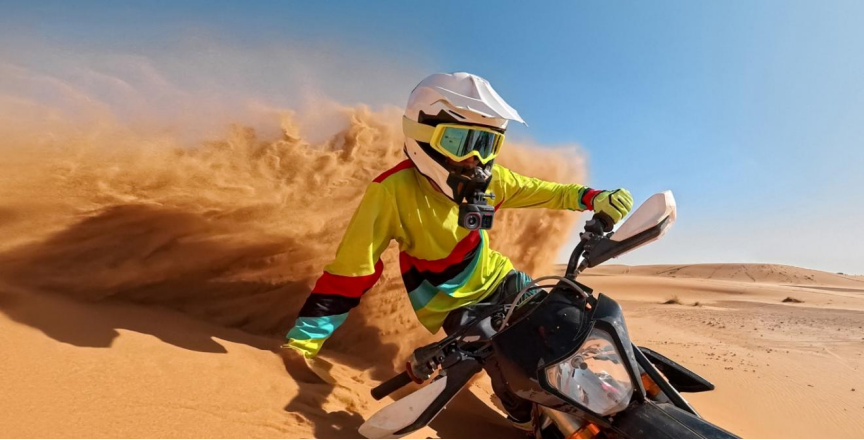
In the realms of vlogging and social media, where video content reigns supreme, action cameras can shine. These cameras allow content creators to shoot easily in high-quality resolutions like 4K60fps Active HDR or 8K30fps, an essential feature of the Insta360 Ace Pro 2. Its compact size and versatility in capturing smooth, stable footage make it perfect for vloggers who may find traditional DSLRs cumbersome. If you're looking for a Recommended action camera, focusing on models that balance video quality, portability, and stabilization will help you create more engaging content. For those engaged heavily in creating content for platforms like Instagram or YouTube, an action camera can serve as an efficient tool. It allows for rapid shooting and file transfer, ensuring creators never miss a beat in delivering timely content.
While action cameras are versatile, there remain circumstances where a DSLR is irreplaceable. Understanding these situations can help you determine when sticking with a DSLR provides significant benefits that action cameras can’t match.
In professional photography settings, DSLRs often remain the preferred choice. Their larger sensors and ability to adapt to various lenses make them exceptional in capturing detail and producing high-quality images. DSLRs excel in low-light conditions, providing clearer, sharper images compared to the more limited capabilities of action cameras. This makes them ideal for events like weddings or indoor shooting where lighting is less predictable. Professional photographers often require the superior optical capabilities and diverse lens options that only DSLRs can offer. For these specialized needs, the high image quality delivered by a DSLR is typically unmatched by even the most advanced action cameras.
DSLRs provide photographers with extensive creative control and flexibility when it comes to specialized shooting scenarios. These cameras come equipped with extensive manual settings, allowing users to adjust parameters such as aperture, shutter speed, and ISO for creative effects. Photographers who engage in disciplines like wildlife photography or macro photography often require specific lenses tailored to their needs. DSLRs support a wide range of lenses and accessories, enabling such versatility. This capacity for customization and specialization makes DSLRs unparalleled for those looking to explore advanced photography techniques. For creatives and professionals requiring tailor-made solutions, a DSLR still holds a significant advantage over action cameras.
Deciding whether an action camera can replace your DSLR depends on your specific needs and circumstances. Action cameras, like the Insta360 Ace Pro 2, have evolved with remarkable features, including 8K sensors and robust portability. Their advantages in scenarios such as travel and vlogging offer a compelling case for casual or adventure-driven content creators. However, for professional photographers or those requiring control over every aspect of their images, DSLRs remain indispensable. If portability and ease of use outweigh the need for fine image control, transitioning to an action camera might make sense. Otherwise, sticking with a DSLR ensures access to unparalleled quality and flexibility for diverse shooting environments.
Choosing between an action camera and a DSLR requires careful consideration of your priorities and shooting needs. Action cameras exemplify ease of use, portability, and high-quality video capabilities, making them ideal for certain use cases. Meanwhile, DSLRs offer superior image quality and creative control, catering to professionals and enthusiasts with specific photography requirements. By assessing how you plan to use your camera and the features most important to you, you can determine which option best aligns with your goals. Both types of cameras excel in their respective contexts, so weigh the benefits and limitations to make an informed decision that suits your needs.